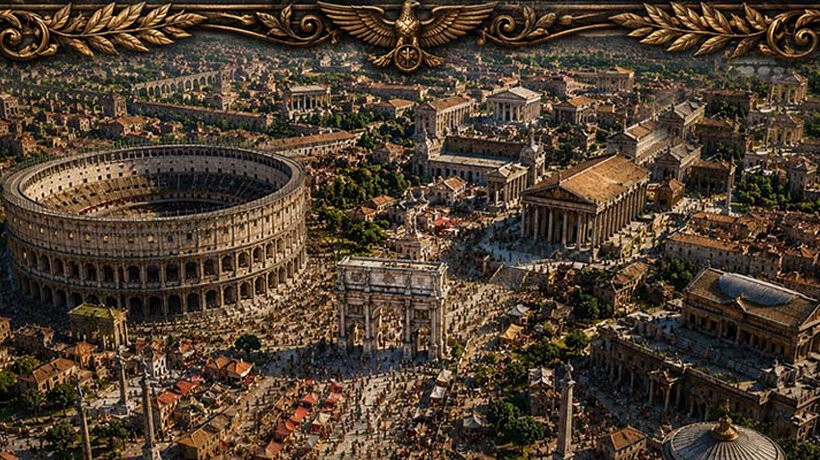
When you hold an ancient Roman coin in your hand, you are not just holding a piece of metal. You are holding a witness to wars, betrayals, plague epidemics, civil wars, and triumphs that shaped the history of Europe. Every portrait on the coin belonged to a person of flesh and blood – some ruled for decades, others for only a few months. Many met tragic ends.
Let's take a look at some rulers from the coins in the photograph.
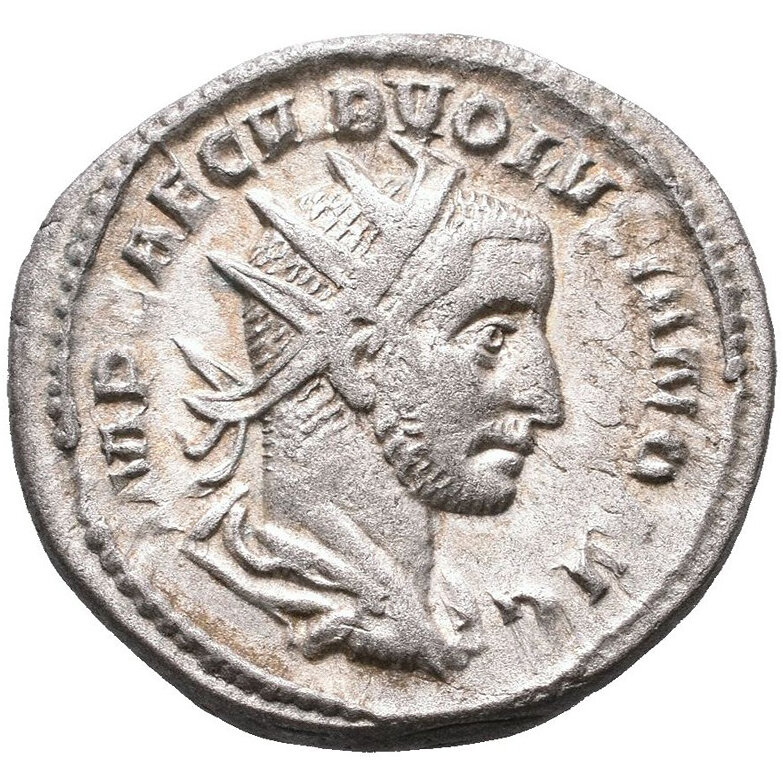
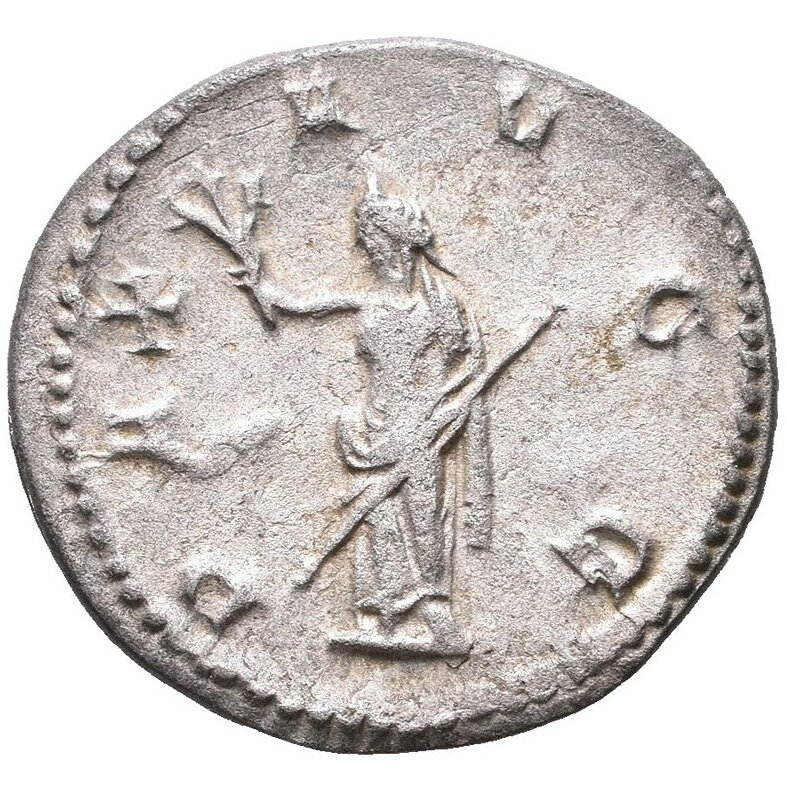
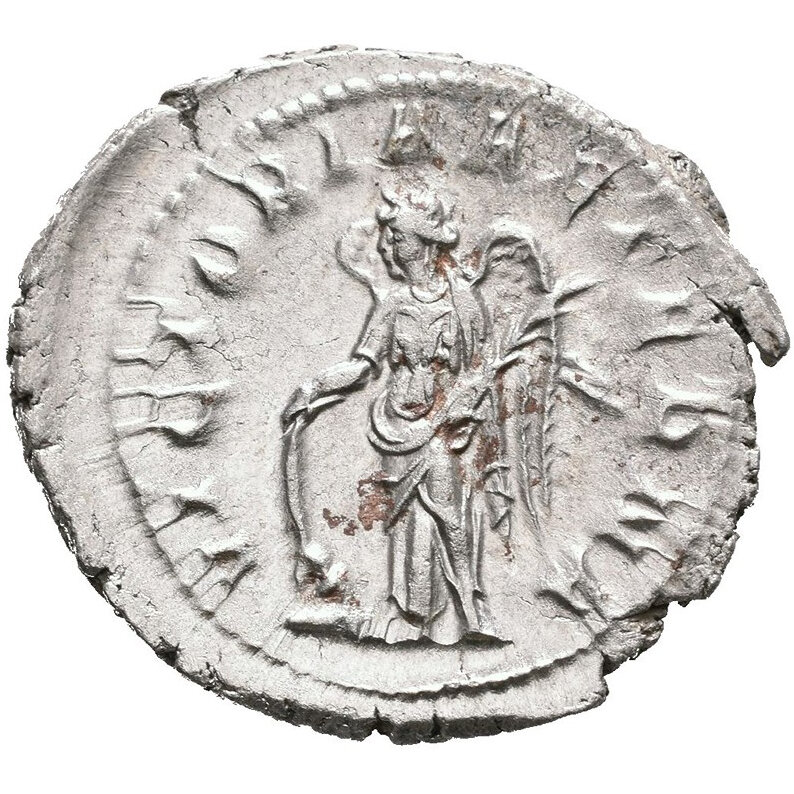
Volusianus – the emperor killed by his own soldiers
Volusianus
Volusianus ruled for only a short time, from 251 to 253 AD. Together with his father Trebonianus Gallus, he took power during one of the most difficult periods of the Roman Empire.
The empire was plagued by a devastating plague, the Goths were ravaging the Balkans, and discontent was growing in the army.
When the commander Aemilianus rose against them, the soldiers lost faith in their rulers. They did not wait for battle. In 253, they murdered Trebonianus Gallus and his son Volusianus before meeting the enemy.
Volusianus' antoniniani are among the interesting coins of the so-called Crisis of the Third Century, when emperors changed on the throne at a dizzying pace.
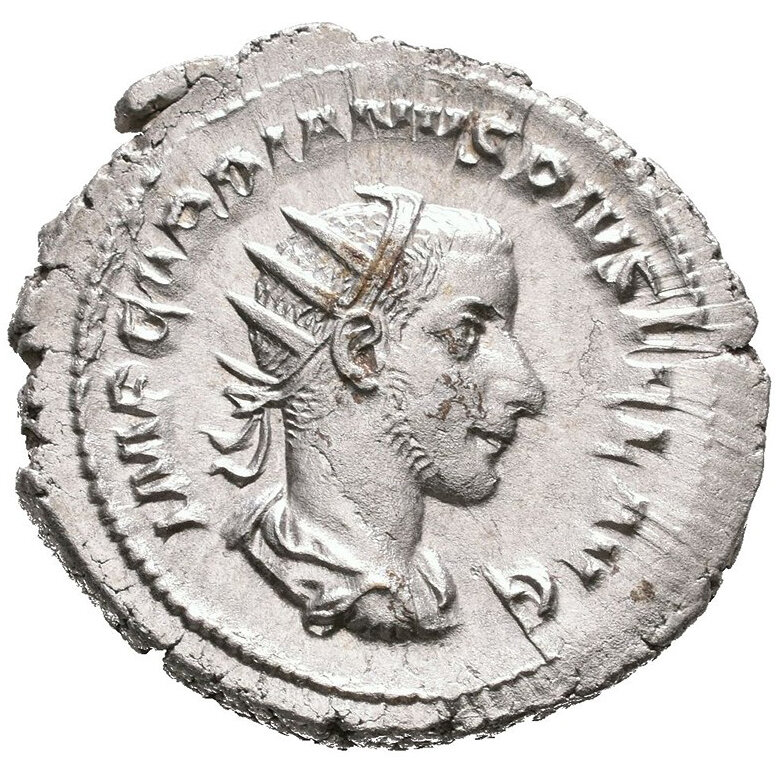
Gordian III – the boy at the head of the world
Gordian III
One of the most popular Roman emperors among collectors is Gordian III.
He ascended the throne as a boy of about thirteen. The Roman Senate used him as a compromise candidate during civil unrest.
Despite his young age, he ruled quite successfully. His reign brought stability to the empire and a number of beautiful silver antoniniani.
However, his story ended tragically during a military campaign against the Persians. It is still not entirely clear whether he fell in battle or was murdered by his own officers.
He was only about 19 years old.
Commodus – the emperor who wanted to be Hercules
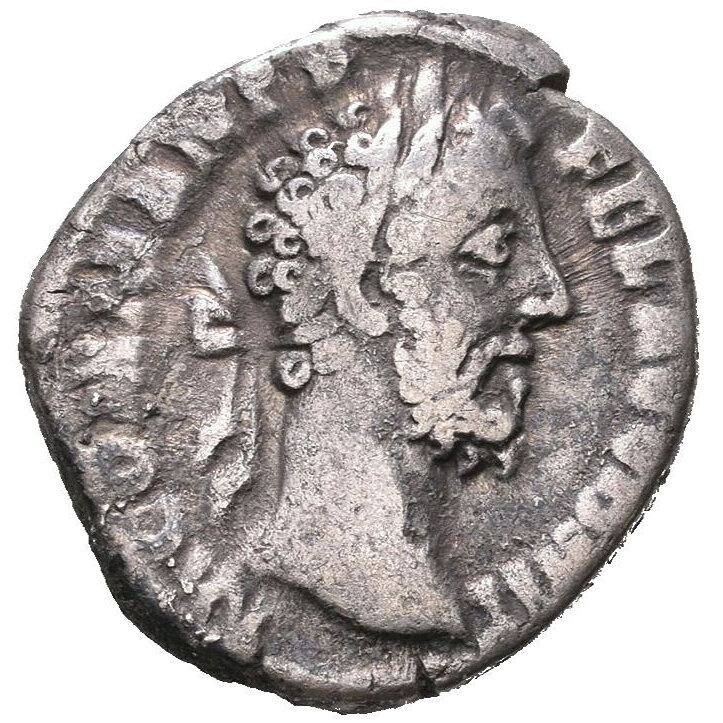
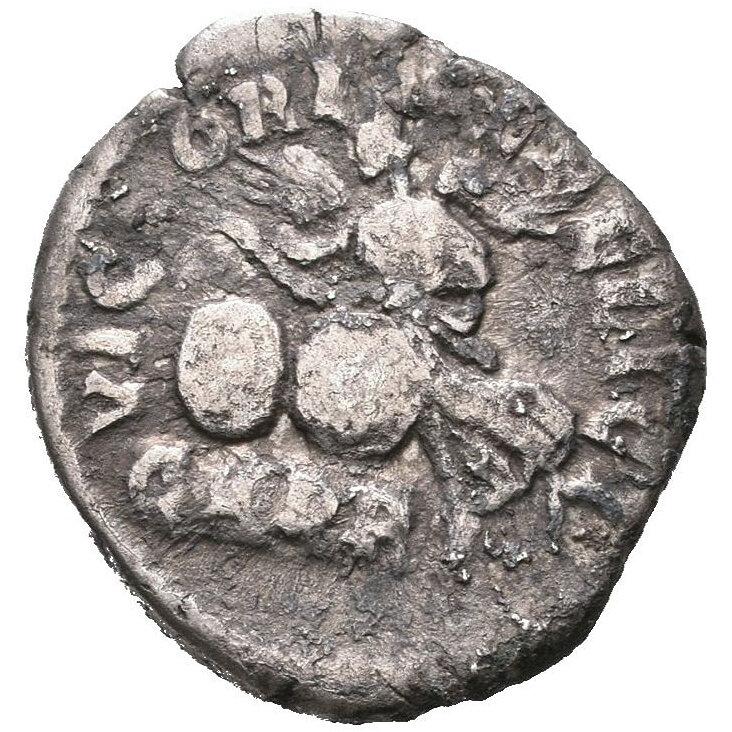
Commodus
Commodus was the son of the famous emperor Marcus Aurelius.
While his father is among the greatest philosophers on the imperial throne, Commodus became a symbol of decline.
He believed he was the new Hercules. He performed in arenas as a gladiator, fought against animals, and forced senators to admire his "heroic" performances.
Rome gradually mocked him.
On New Year's Eve in 192 AD, he was murdered by the wrestler Narcissus in his bath.
Many historians consider his reign to be the beginning of the long decline of the Roman Empire.
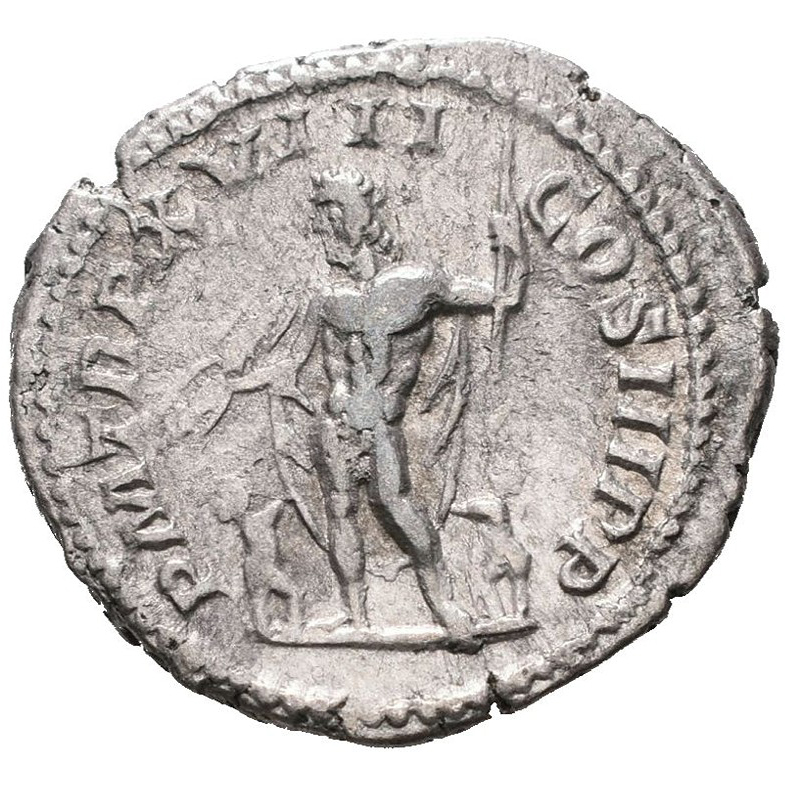
Septimius Severus – the soldier who bought the loyalty of the army
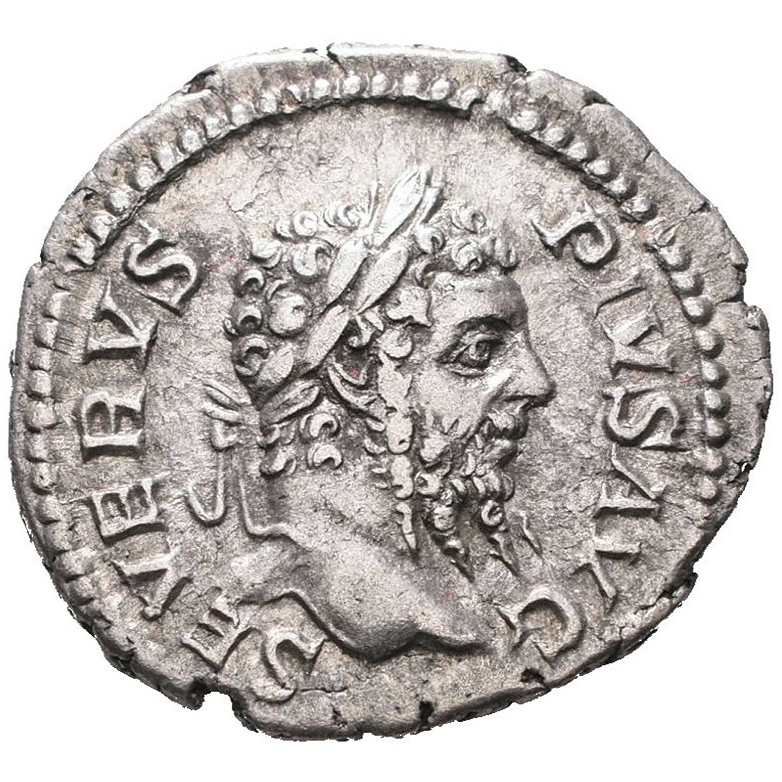
Septimius Severus
Septimius Severus was one of the most successful military emperors.
After a civil war, he managed to defeat all rivals and founded his own dynasty.
He is famous for the saying addressed to his sons:
"Stick together, enrich the soldiers, and don't worry about the rest."
He significantly increased the pay of the Roman army and strengthened its power.
His silver denarii are among the most sought-after coins of the turn of the 2nd and 3rd centuries.
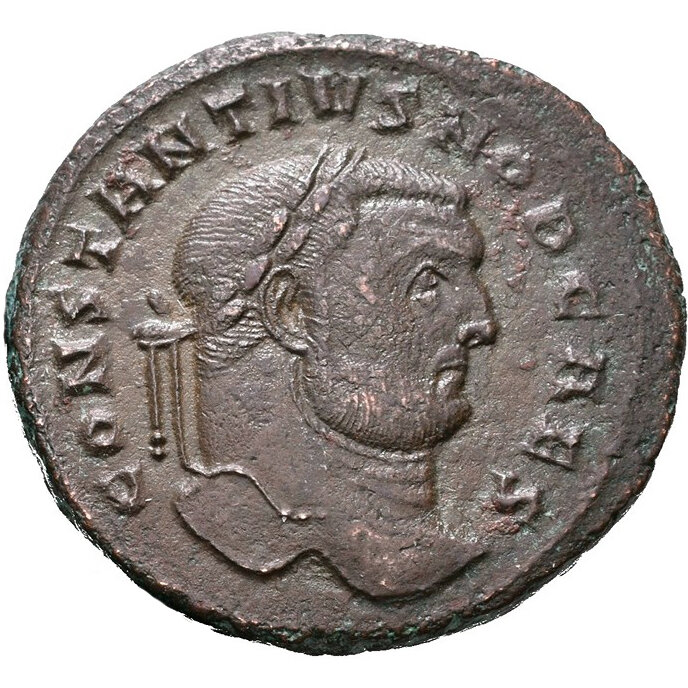
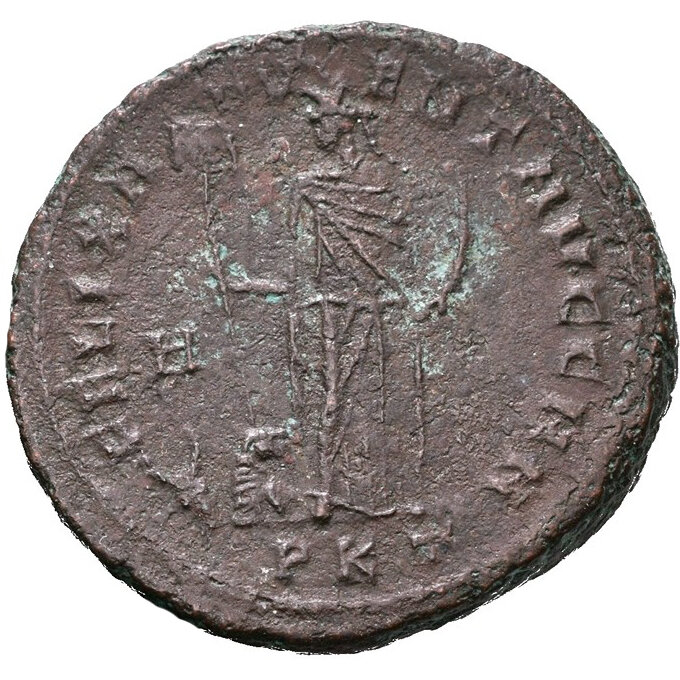
Constantius Chlorus – the father of the first Christian emperor
Constantius Chlorus
Constantius Chlorus is best known in history as the father of the famous Constantine the Great.
He was a capable commander and a member of the tetrarchy, a system of four rulers who were to save the empire from collapse.
When he died in Britain in 306, his soldiers immediately proclaimed his son Constantine as the new emperor.
This began the story of a ruler who legalized Christianity and forever changed the history of Europe.
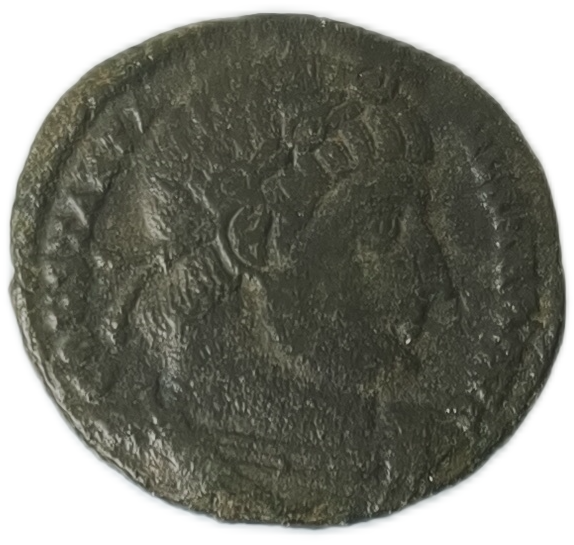
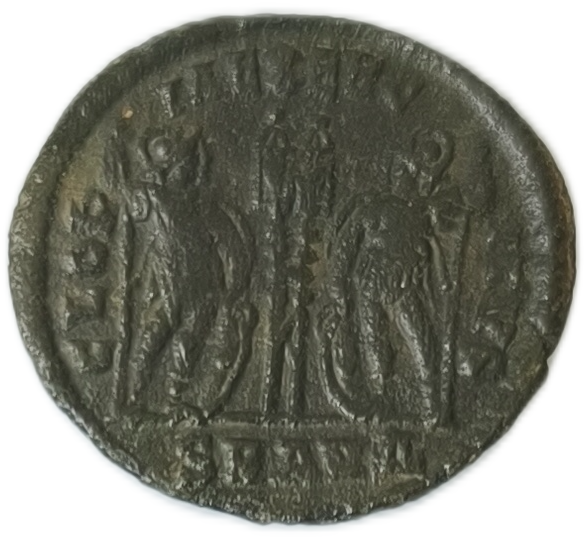
Constantine I – the man who changed the world
Constantine the Great
Constantine the Great is among the most significant rulers of all time.
Before the decisive battle at the Milvian Bridge, he reportedly saw a sign of the cross in the sky with the inscription:
"In this sign, you will conquer."
He won the battle and subsequently issued the Edict of Milan, which ended the persecution of Christians.
His bronze follis coins are among the most accessible Roman coins for beginning collectors.
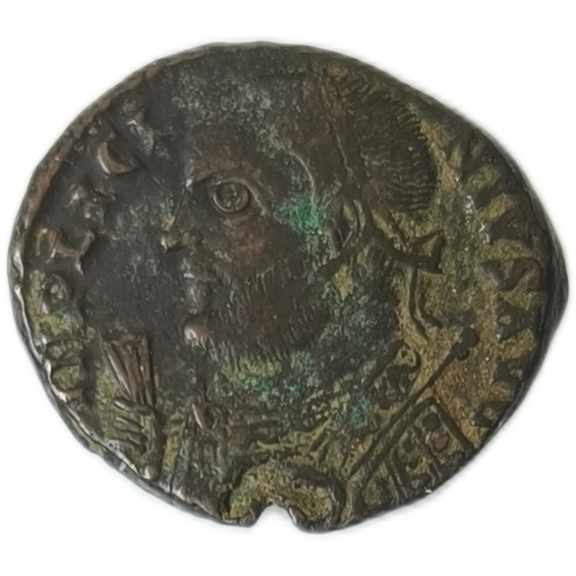
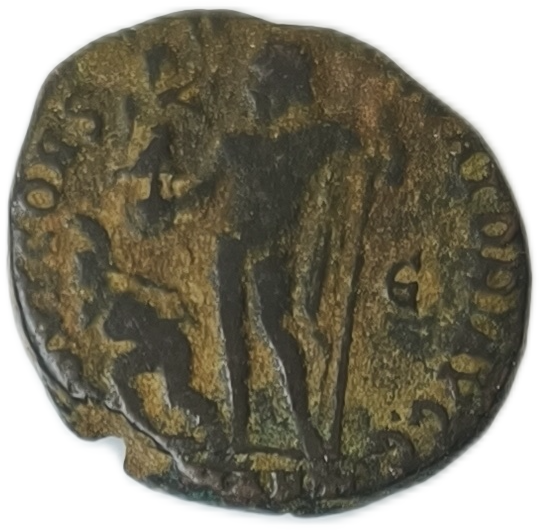
Licinius – friend, ally, and finally enemy
Licinius
Licinius was initially an ally of Constantine the Great.
He even married his sister.
However, politics can be relentless.
Both emperors gradually came into conflict and sparked a series of civil wars. Constantine eventually won, and Licinius was executed.
His coins are now a sought-after reminder of the last great struggle for control of the unified Roman Empire.
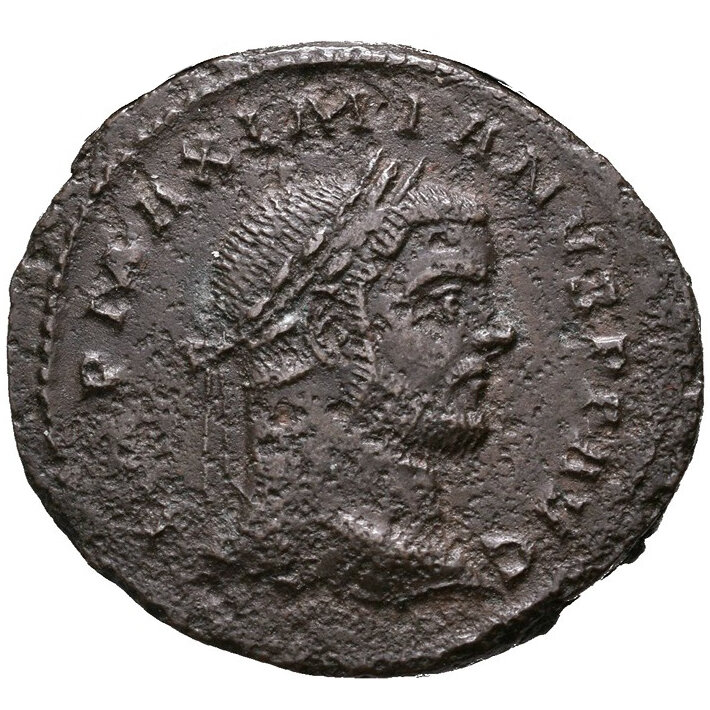
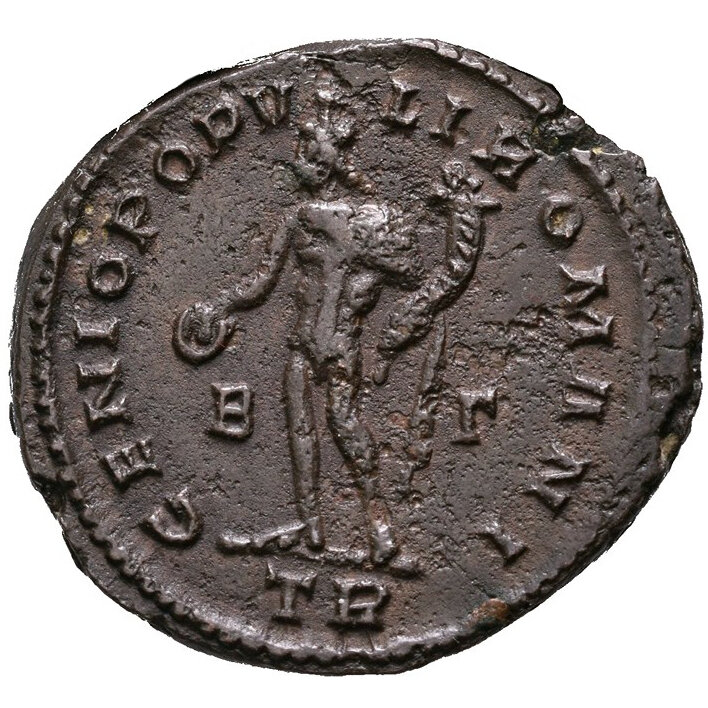
Maximianus Herculius – the man who tried to become emperor three times
Maximian
Maximian was a co-ruler with Emperor Diocletian.
After abdicating, he could not come to terms with the loss of power.
He attempted several times to regain the throne, even conspiring against his own son-in-law Constantine.
When the conspiracy was uncovered, he was given a choice – execution or suicide.
He chose the latter.
Why are Roman coins so fascinating?
Each of these coins is an original approximately 1,700 to 2,000 years old. They survived barbarian invasions, the fall of the Roman Empire, the Middle Ages, and modern times.
Some passed through the hands of legionnaires, traders, imperial officials, or soldiers on the distant borders of the empire.
And that is why Roman coins are not just collectibles.
They are small metal time machines.