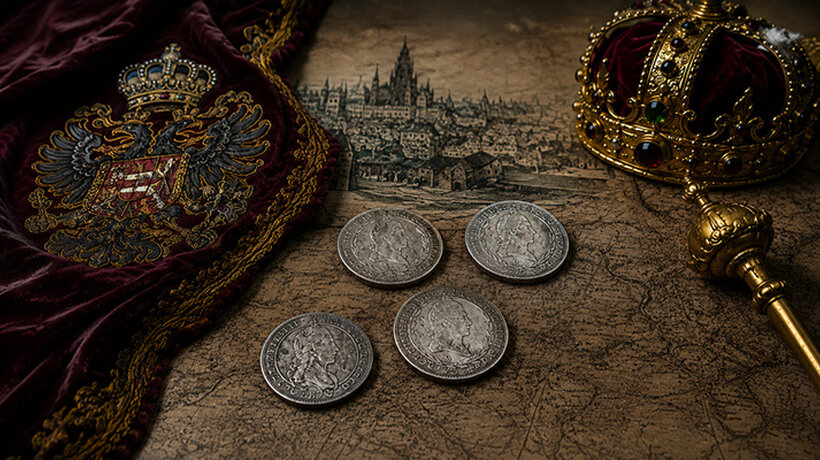
When we hold an old grajciar from the 17th or 18th century in our hand, we are not just holding a piece of silver. We are holding a witness to periods of wars, coronations, Turkish invasions, estate uprisings, and the rise of one of Europe's most powerful dynasties – the Habsburgs.
Coins from the era of Ferdinand II, Leopold I, Francis II, or Ferdinand V were a daily part of the lives of millions of inhabitants of the monarchy. They traveled through markets in Prague, Vienna, Bratislava, Kutná Hora, Brno, or Olomouc and have survived for centuries to this day.
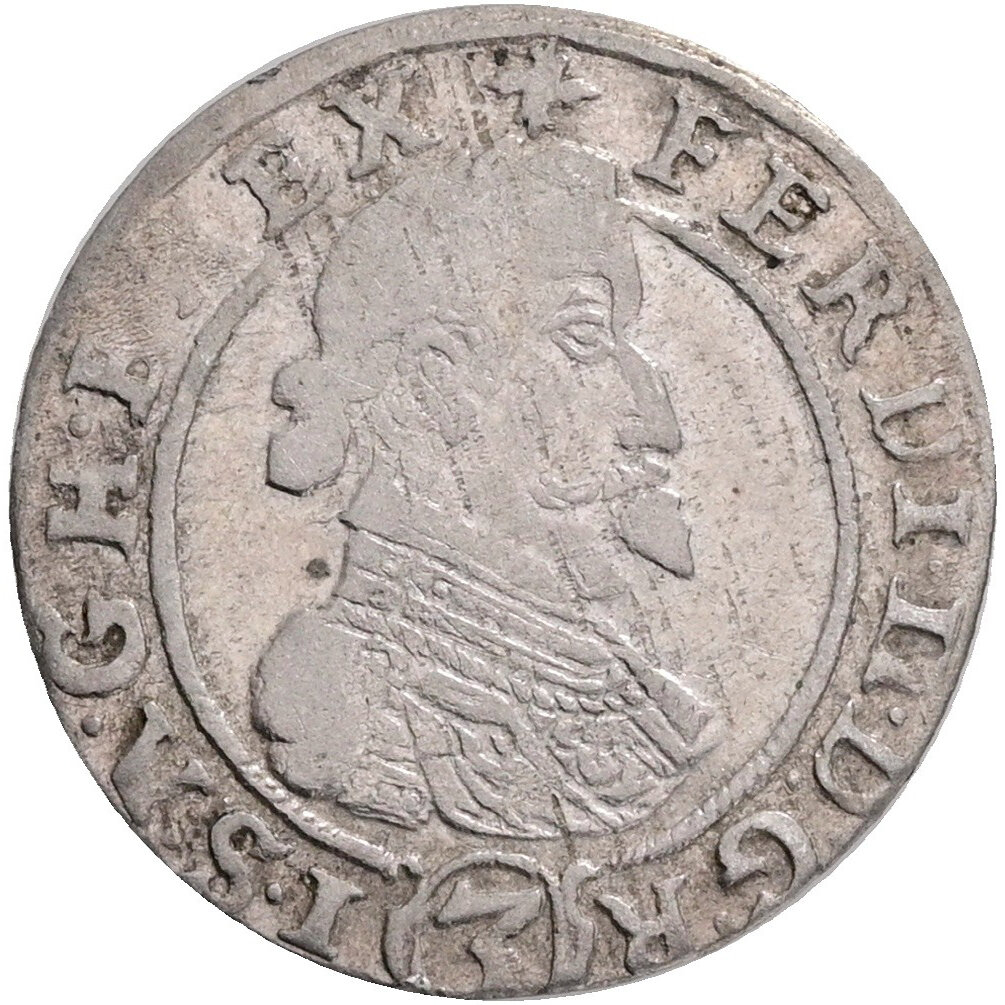
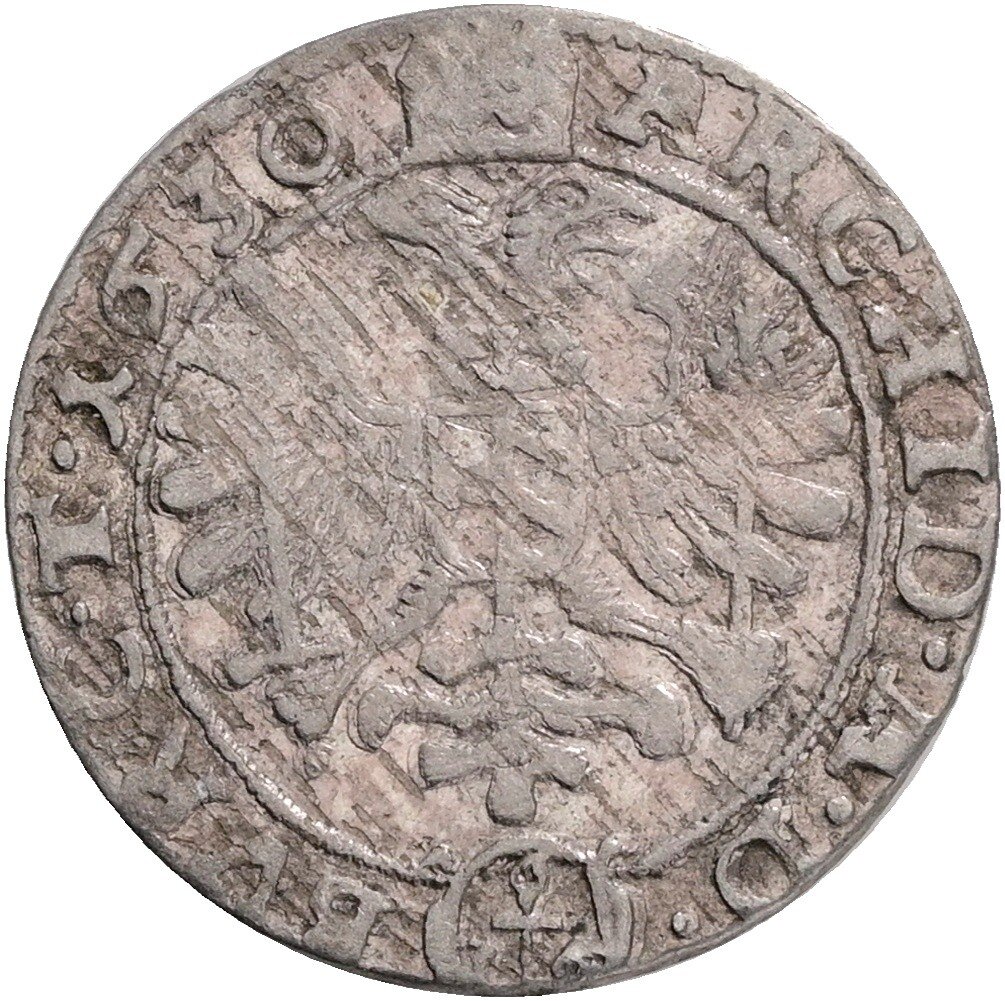
Ferdinand II – Emperor of the Thirty Years' War
Ferdinand II is among the most significant rulers of the Habsburg monarchy.
His reign was marked by one of the greatest conflicts in European history – the Thirty Years' War (1618 – 1648).
It was during his reign that numerous emissions of 3-grajciars were minted, mainly in Prague, Brno, Olomouc, or Kutná Hora.
The coins bear the typical portrait of the ruler with a distinctive collar and are sought after by collectors today, especially for their historical connection to a period that fundamentally changed the map of Europe.
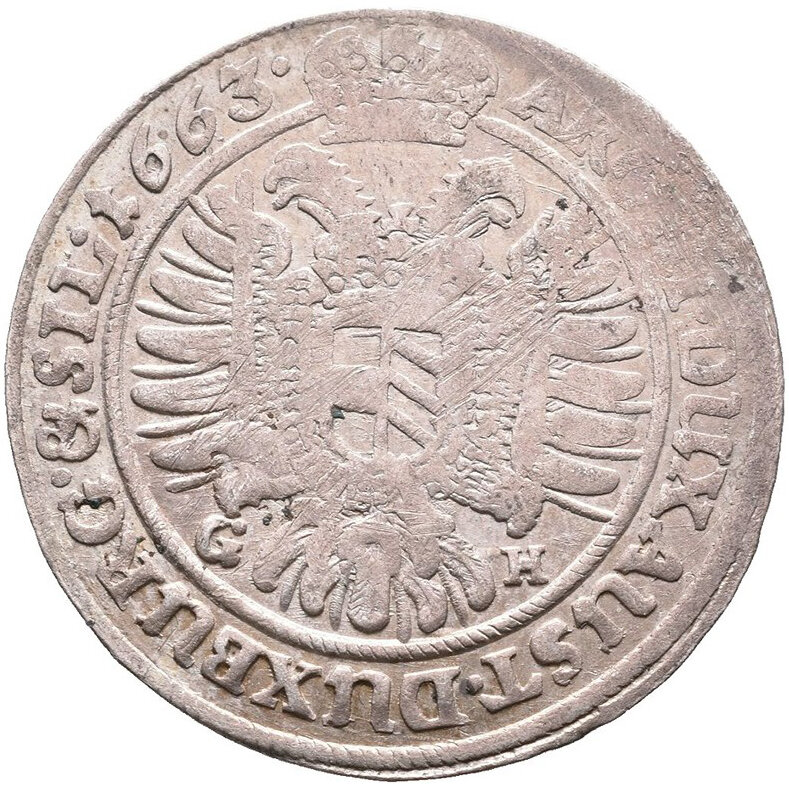
Leopold I – Emperor with an Unmistakable Portrait
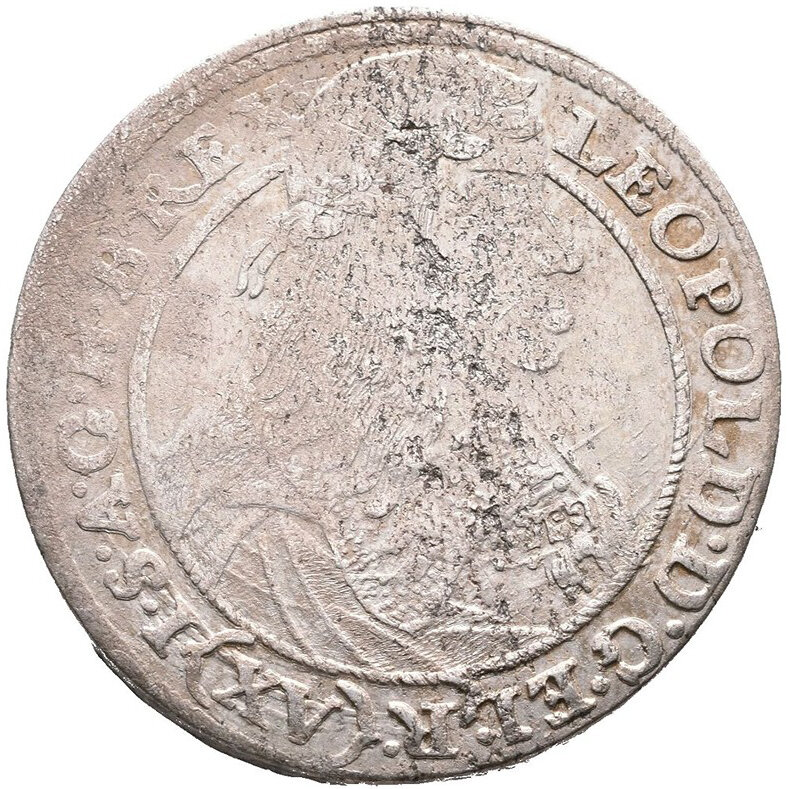
If there is a ruler whose portrait most collectors recognize at first glance, it is Leopold I.
His characteristic protruding Habsburg chin became a symbol of the entire dynasty.
During his reign, the monarchy faced the Turkish threat, and it was under Leopold I that Vienna was successfully defended against the Ottoman siege in 1683.
The grajciars and multiple grajciars of Leopold I are among the most popular coins of the Baroque period.
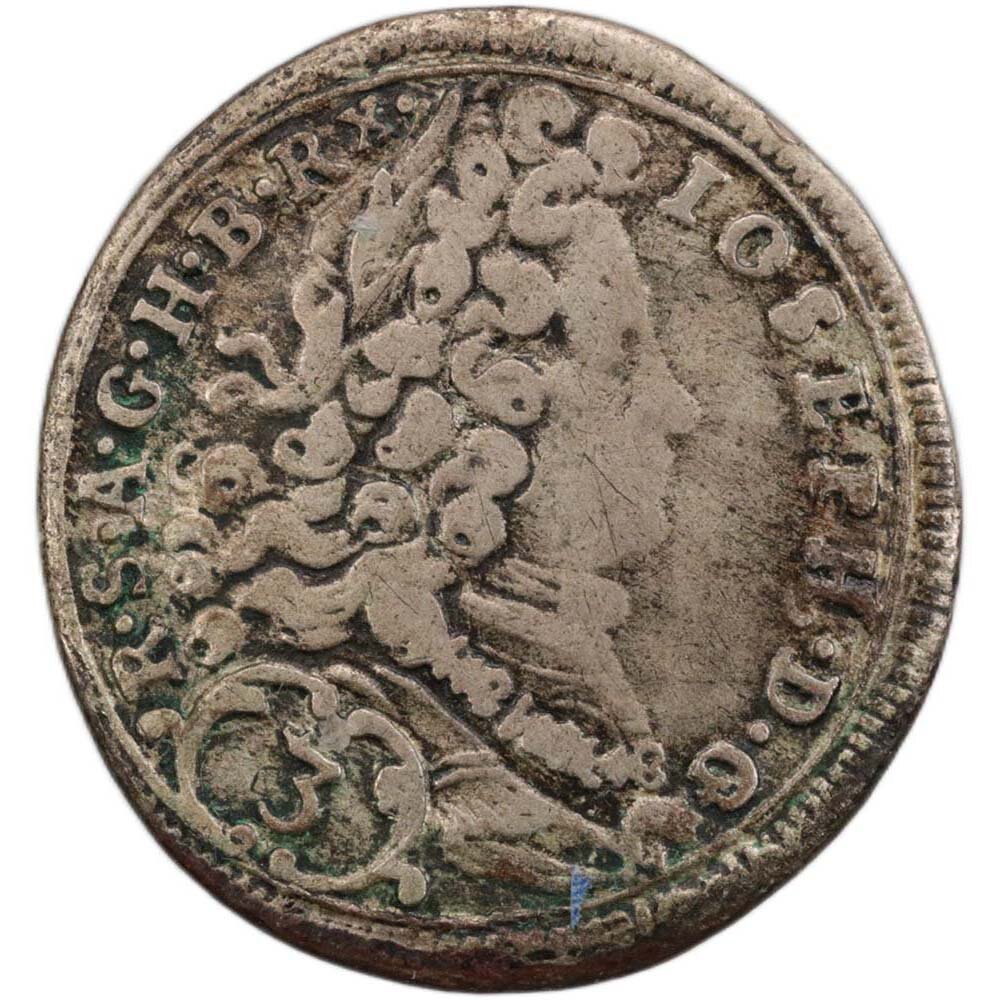
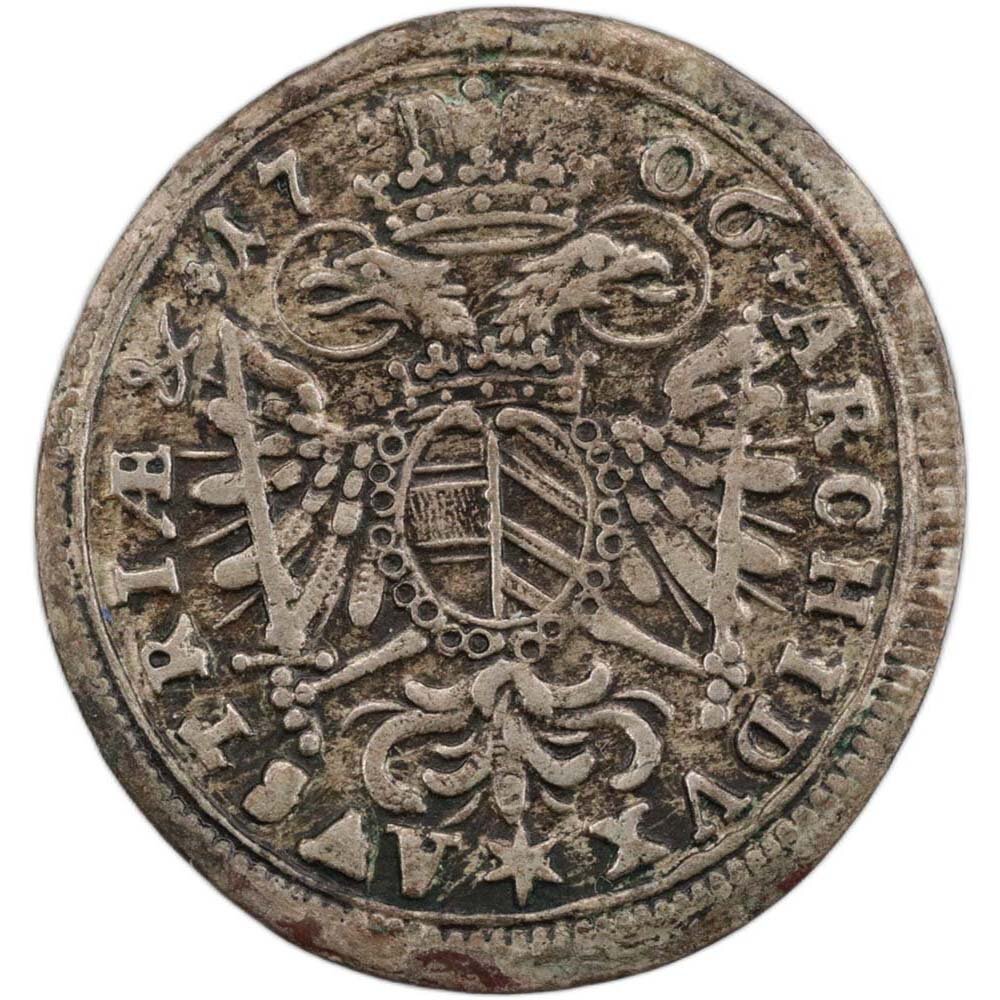
Joseph I – Short Reign, Interesting Coins
Joseph I ruled for only a few years, but his coins are very popular among collectors.
The coins feature a younger and more modern portrait of the ruler, contrasting with the distinctive appearance of his father, Leopold I.
Coins from Munich, Vienna, or other mints represent an interesting transition between the older and newer periods of Habsburg numismatics.
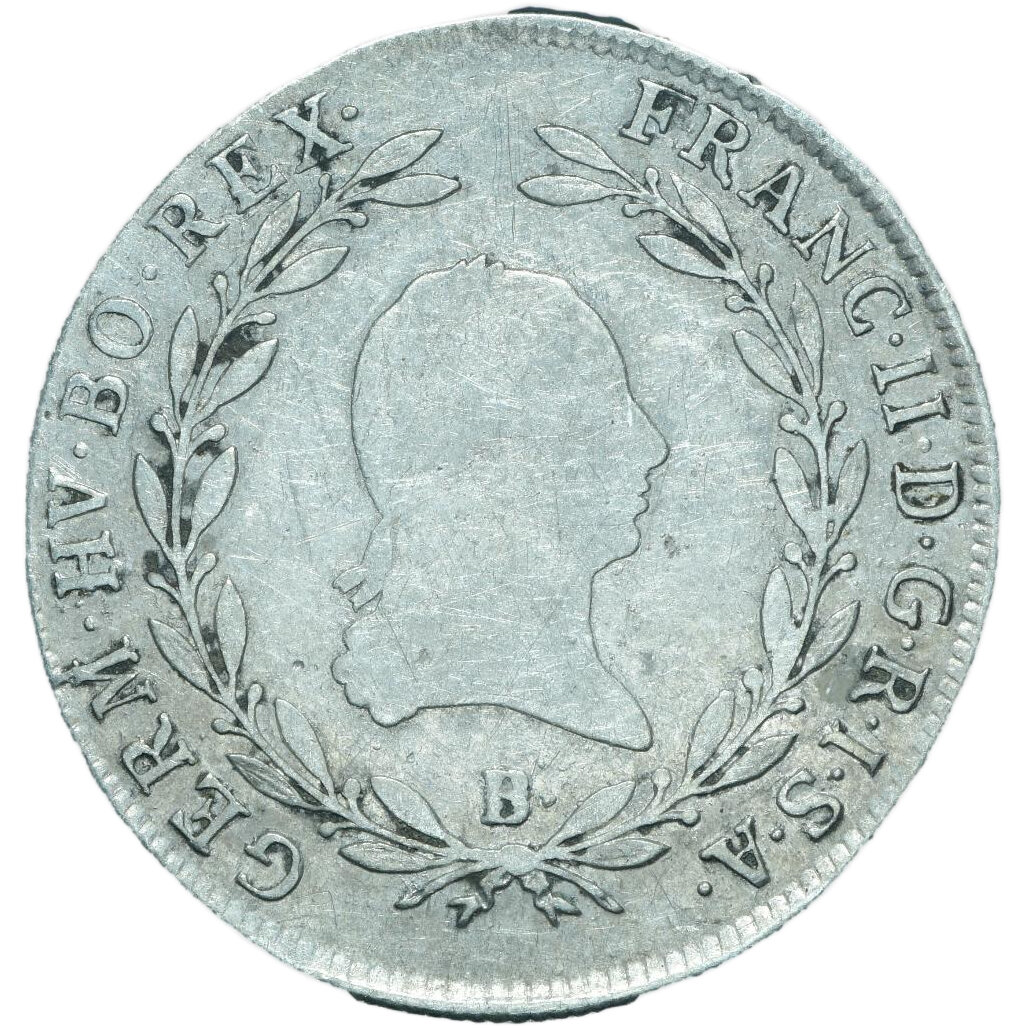
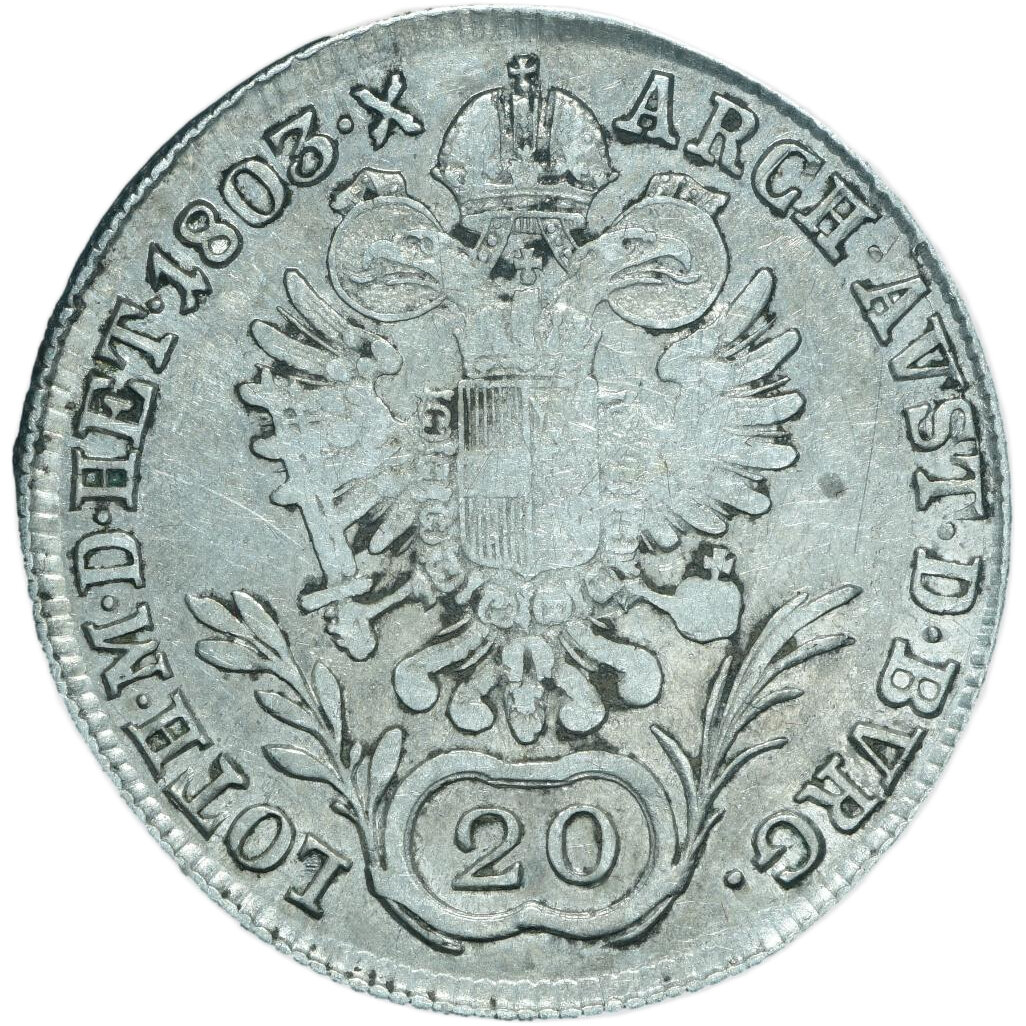
Francis II – The Last Emperor of the Holy Roman Empire
Coins of Francis II represent one of the most interesting historical milestones.
He was the last emperor of the Holy Roman Empire of the German Nation.
After the Napoleonic Wars, he dissolved the empire and became Francis I, Emperor of the Austrian Empire.
On his 20-grajciars, we see an elegant portrait surrounded by a laurel wreath. These are coins that were created during a period when revolutionary wars shook Europe and Napoleon Bonaparte was changing the history of the continent.
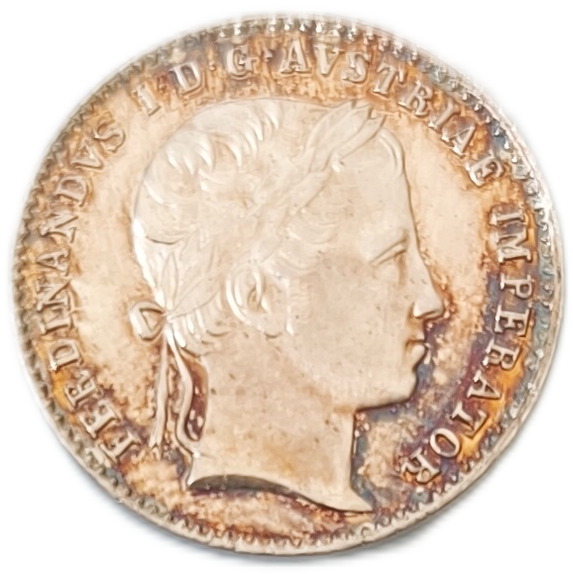
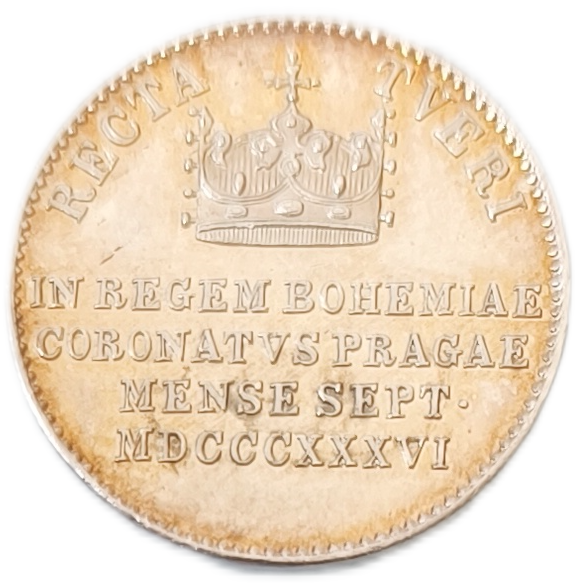
Coronation and Commemorative Tokens
Among the interesting pieces are also the coronation tokens of Ferdinand V or Francis II.
These items often were not created for regular circulation. They commemorated significant state events, coronations, or visits of rulers.
Today, they represent an attractive addition to collections and remind us of the ceremonial side of the monarchy.
Why are Habsburg coins so popular?
Unlike many modern coins, old grajciars have a unique historical dimension.
Each coin passed through the hands of merchants, craftsmen, soldiers, or townspeople. Many were minted during periods of wars, economic crises, or significant political changes.
And that is why they are more than just collectible items.
They are authentic pieces of history that allow us to touch a world from 200 to 400 years ago.