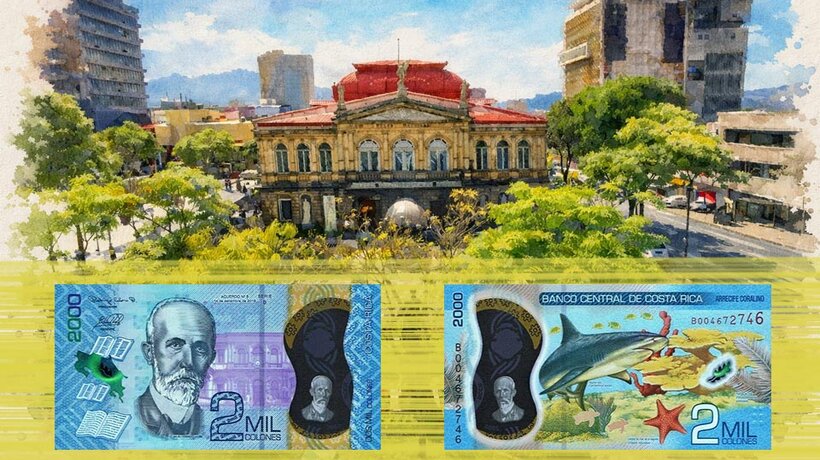
When Tropical Climate Shapes the Form of Money
Costa Rica is among the countries that have undergone significant modernization of cash in recent years. The central bank Banco Central de Costa Rica began transitioning to polymer banknotes around 2020, with the process occurring gradually by denomination. By 2021, the transition was practically complete, with the last denominations of the new series entering circulation.
The reasons were very pragmatic. Costa Rica has a tropical climate, high humidity, and frequent rainfall – an environment where paper banknotes naturally wear out quickly. Polymer brought longer lifespan, higher durability, and lower costs for replacing banknotes in circulation.
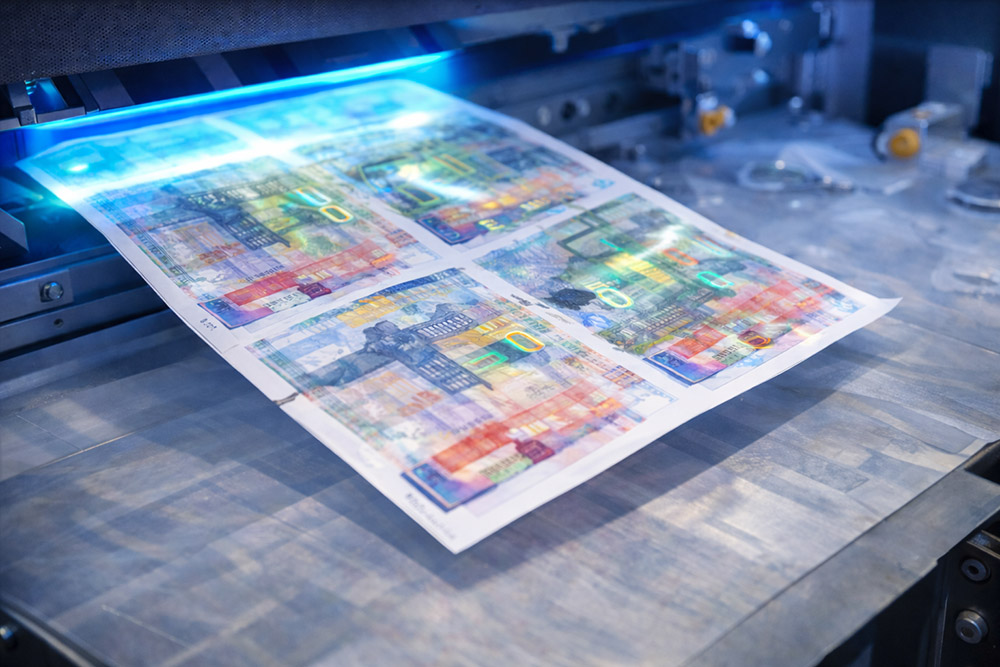
How Polymer Banknotes Are Printed
At first glance, a polymer banknote may appear as "plastic paper," but the manufacturing process is technologically extremely demanding.
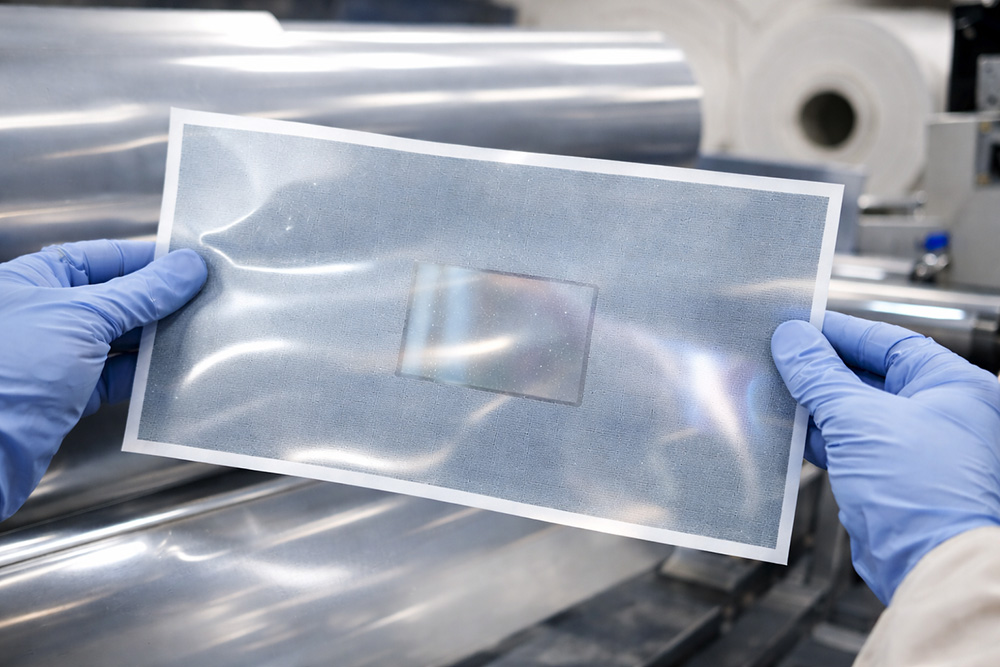
1️⃣ Polymer Substrate
The base is a special film, not ordinary plastic. The material is flexible, stable, and ready for multi-layer printing. Transparent windows are part of the substrate from the beginning.
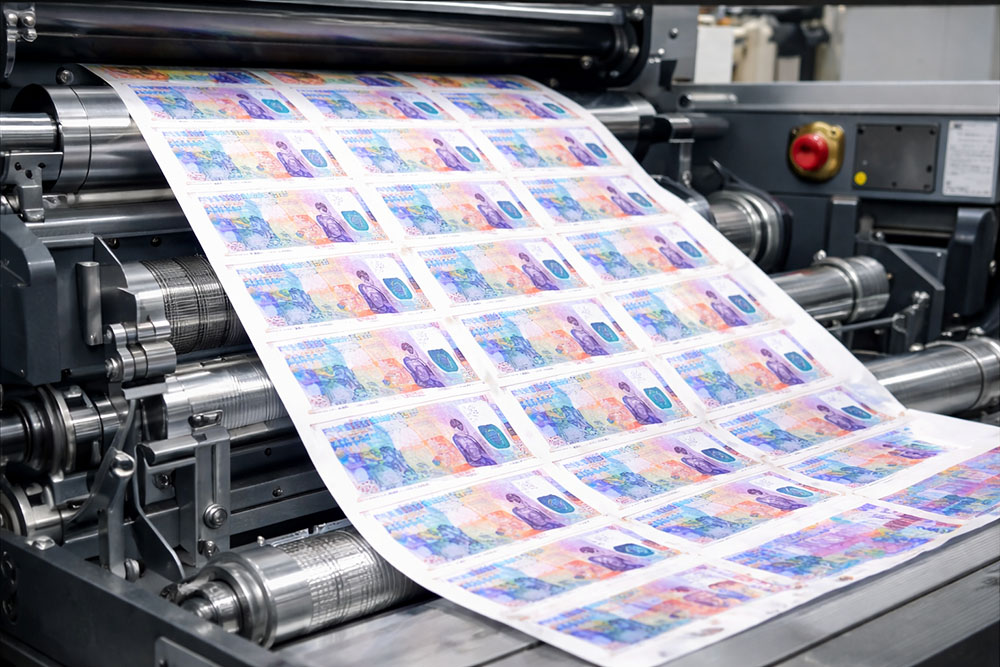
2️⃣ Offset Printing
Similar to paper banknotes, the following are printed first:
✔ color transitions
✔ fine patterns
✔ detailed backgrounds
The difference lies in the behavior of the ink – on smooth polymer, it must bind completely differently than on fibrous paper.
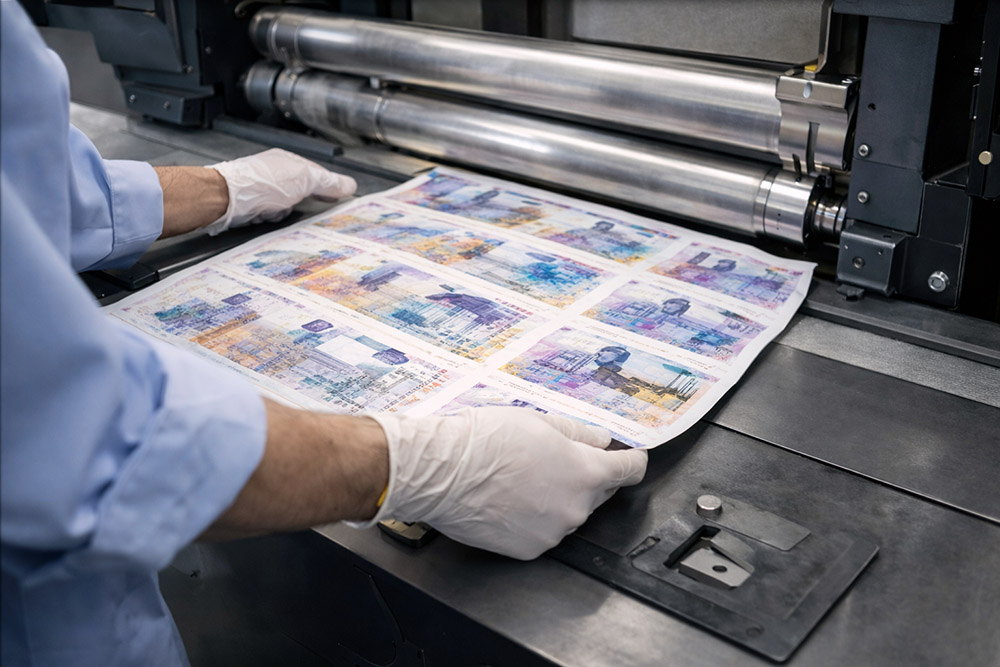
3️⃣ Intaglio (Deep Printing)
Key phase:
✔ high pressure
✔ relief ink
✔ tangible texture
Polymer must withstand extreme pressure without deformation.
4️⃣ Application of Security Features
Here, polymer excels significantly:
✔ transparent windows
✔ metallized elements
✔ holographic strips
✔ optically variable effects
Difference Between Paper and Polymer
The biggest difference is not in design, but in the physics of the material.
| Paper Banknote | Polymer Banknote |
|---|---|
| Cotton Fibers | Smooth Plastic Substrate |
| Absorbs Moisture | Repels Water |
| Shorter Lifespan | Significantly Longer |
| Limited Optical Effects | Transparent Elements |
| Susceptibility to Wear | High Durability |
| Paper "Ages" | Polymer Remains Stable |
Security Features of Polymer Banknotes
Polymer allows for security solutions that paper cannot authentically replicate:
✔ transparent windows – extremely difficult to counterfeit
✔ optically variable elements
✔ holographic effects
✔ microtexts and microdetails
✔ UV protection
✔ tactile features
Today's modern banknote is more of a high-tech product than a print.
Countries Already Using Polymer
Polymer banknotes can be found on all continents today.
Among the well-known examples are:
✔ Australia – pioneer of polymer
✔ Canada
✔ United Kingdom
✔ Romania
✔ Mexico
✔ Costa Rica
✔ New Zealand
✔ Vietnam
✔ Nigeria
✔ Chile
The trend is global.
Countries Moving Towards Polymer
More and more central banks are preparing for transition or test series:
✔ Asian countries
✔ Latin America
✔ Africa
The reasons are the same: longevity, hygiene, security, costs.
👉 And here comes an interesting moment for collectors.
Polymer as a Collectible Opportunity
Every transition to a new substrate means:
✔ new emissions
✔ new designs
✔ new security features
✔ new variants of UNC states
The first polymer series are often extremely attractive – both technologically and visually.
For notaphilists, it is a fascinating period when the very essence of banknotes changes. Polymer is not just a material. It is another evolutionary chapter of money.
And at the same time, an endless source of new additions to collections.