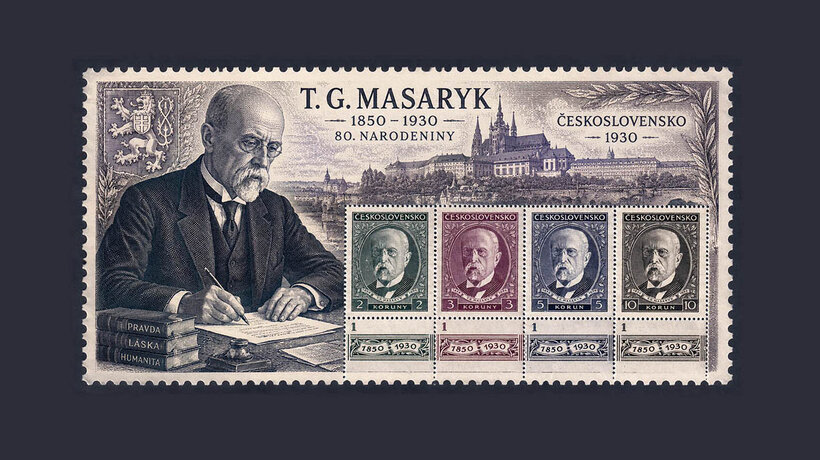
The Jubilee Issue from 1930 is a Classic of Czechoslovak Philately
On March 7, 1930, the first president of the Czechoslovak Republic, Tomáš Garrigue Masaryk, celebrated his 80th birthday. On this occasion, the Czechoslovak post office issued a ceremonial series of postage stamps, which today ranks among the significant issues of the First Republic period. Thanks to its elegant engraving and historical significance, it is a favorite item in many philatelic collections.
The President on Four Stamps
The jubilee series consisted of four stamps with nominal values of 2, 3, 5, and 10 crowns. All feature a portrait of President Tomáš Garrigue Masaryk, complemented by the years 1850 – 1930, which commemorate his life anniversary.
The color design of the individual values allowed for easy differentiation and also gave the entire series a representative appearance. The stamps were printed using high-quality steel engraving, which was one of the most demanding printing techniques of its time.
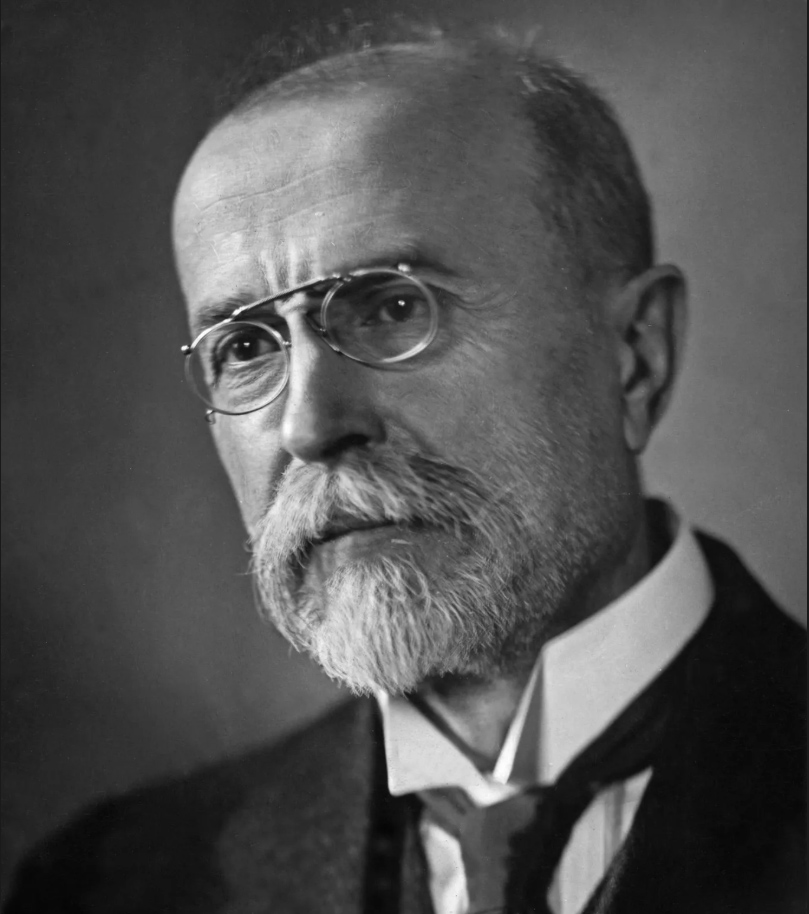
Lower Coupon and Plate Mark
Particularly interesting are specimens preserved with a lower coupon (KD). The coupon features a decorative motif with the years 1850 – 1930, emphasizing the jubilee character of the entire issue.
Additionally, some pieces feature a plate mark DZ 1, indicating the specific printing plate used in the production of the stamps. Such specimens are sought after by philatelists because they document the printing technology and origin of individual printing fields.
Who was Tomáš Garrigue Masaryk?
Tomáš Garrigue Masaryk (1850 – 1937) was a philosopher, professor, politician, and founder of the modern Czechoslovak state. After the establishment of Czechoslovakia in 1918, he became its first president and remained in office until 1935.
During the First Republic period, he became a symbol of democracy, humanism, and statehood. It is therefore not surprising that his portrait appeared on several postage stamps and banknotes issued during his lifetime.
Why is this Issue Still Popular Today?
Masaryk's jubilee series represents a combination of a significant historical event, high-quality artistic processing, and precise printing. Collectors particularly appreciate complete series, specimens with coupons, sheet margins, or plate marks that document the method of stamp production.
Even after almost a century since its issuance, this issue remains a representative example of Czechoslovak philately and continues to be an important part of collections from the First Republic period.
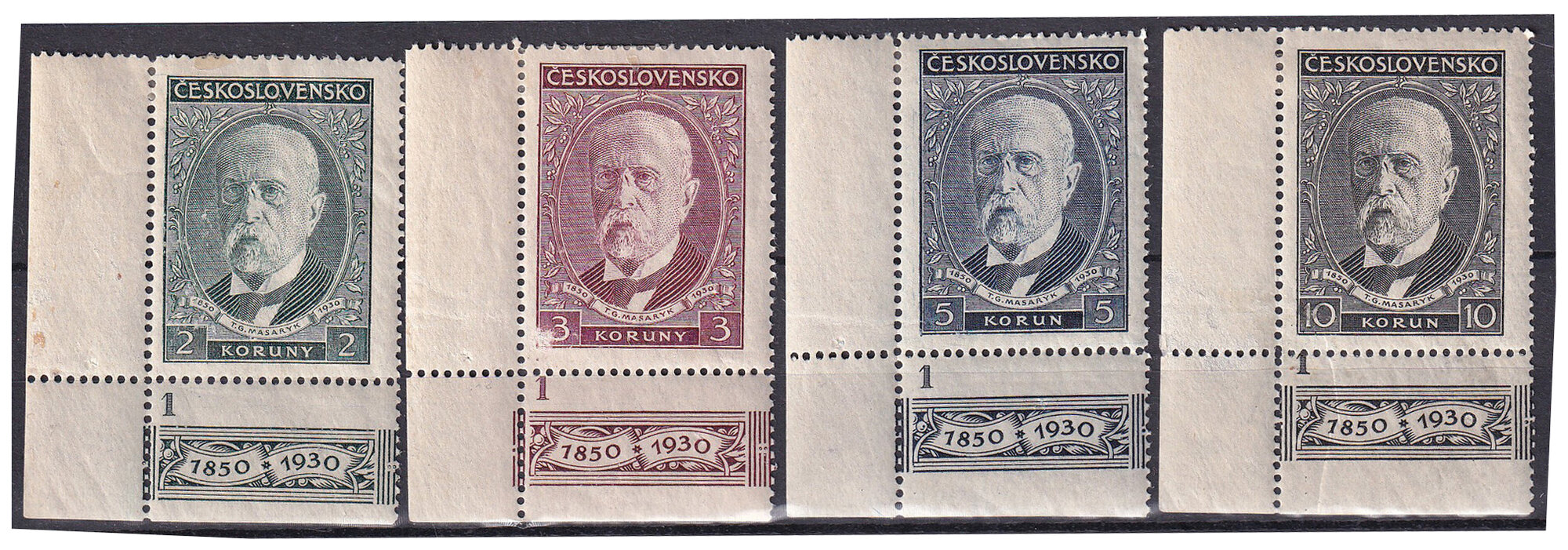
How to Recognize More Valuable Specimens of this Issue?
For stamps from the First Czechoslovak Republic period, not only the stamp itself but also its preservation and the way it was separated from the printing sheet play a significant role. Collectors therefore seek primarily complete specimens with original margins, coupons, or plate marks.
One of the most interesting variants are stamps with a lower coupon (KD). This is a decorative part of the printing sheet located below the stamp, and in this issue, it bears the years 1850 – 1930, commemorating the 80th anniversary of Tomáš Garrigue Masaryk's birth. Since most coupons were cut off when using the stamps, preserved pieces with a coupon are much less common today.
Even greater collector appeal is held by specimens with a plate mark (DZ 1). This mark indicates the specific printing plate used in the production of the stamps and allows philatelists to more accurately determine their origin. Such stamps are not only an interesting record of the printing technology of their time but also belong to the sought-after items of specialized collections of Czechoslovak philately.
When purchasing this issue, it is advisable to pay attention to the overall condition of the stamps. The most valued are specimens with undamaged gum, sharp perforation, without tears, creases, or stains. Complete sets of all four nominal values with original coupons and plate marks represent an attractive collector's unit that retains its historical and philatelic value even after almost a hundred years.